
Théo Miel
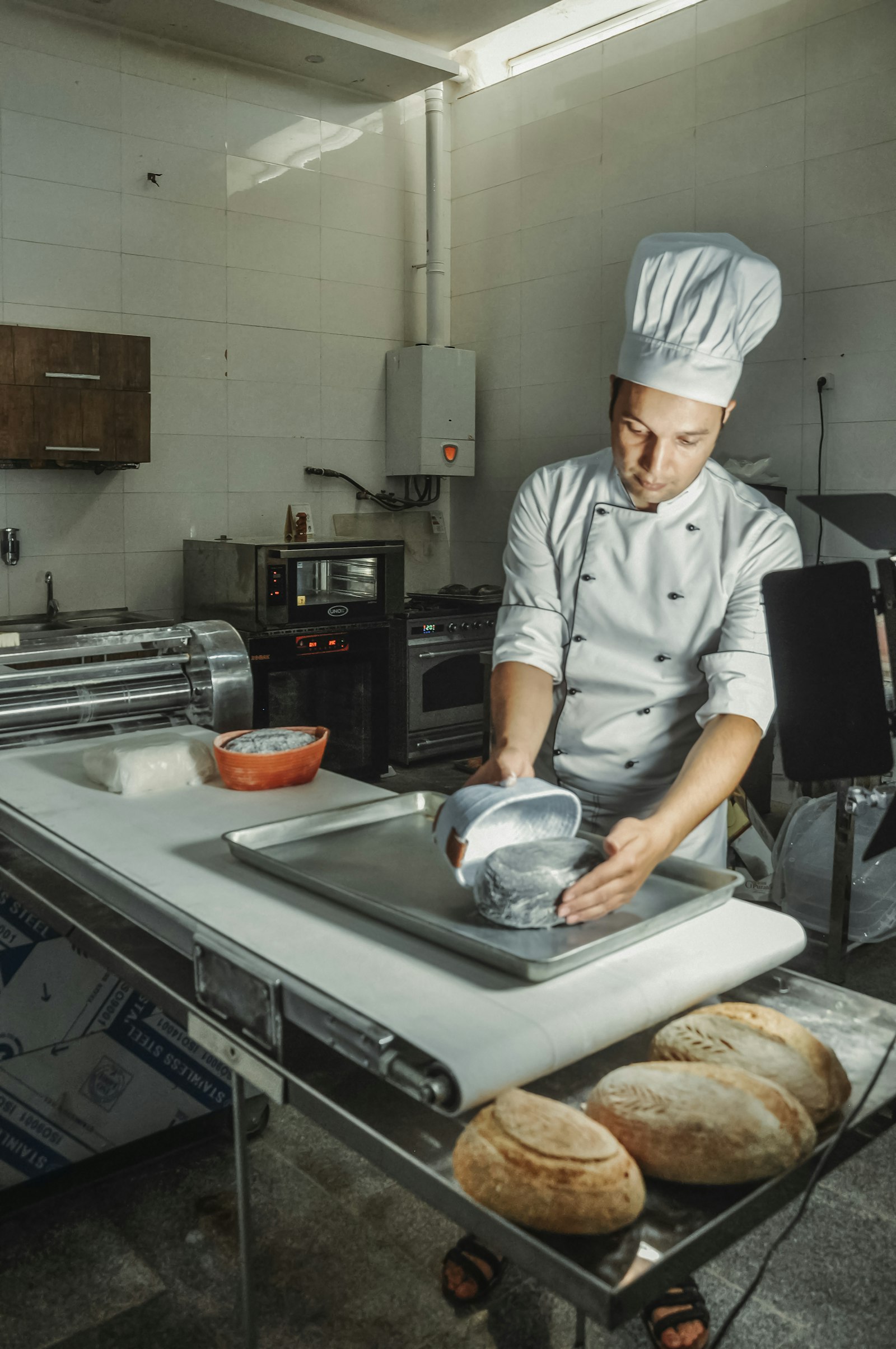
Head baker · mornings
Third generation. Runs the deck oven and refuses to write anything down.
Since 1978 · Rue des Amandes
Odette Miel arrived in Chicago with two suitcases and a notebook of her mother's recipes. The bakery she opened was nine feet wide. Forty-eight years later the shop is bigger, the notebook is falling apart, and the oven she bought secondhand is still the only one we trust with croissants.
The long version
With the weather, with the flour, with the clock. Dough behaves differently in a wet July than a dry February, so nothing here is ever quite the same twice. We measure by feel as often as by scale, and the recipes in the notebook are more like suggestions with strong opinions.
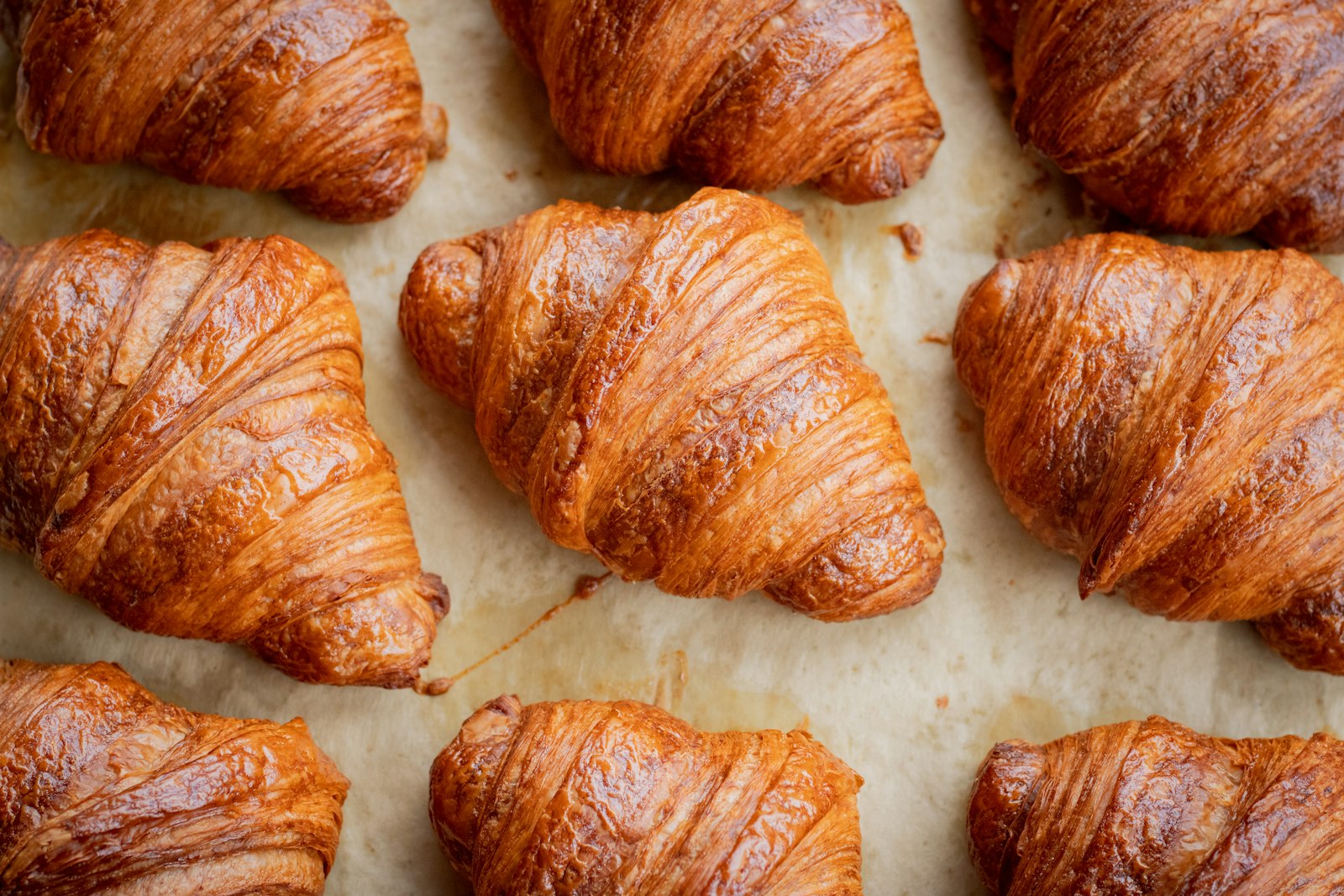
What doesn't change: butter at 83% fat, flour milled on stone forty miles west, eggs from a farm we've bought from since 1994, and vanilla we buy whole and split ourselves. It costs more. It tastes like it costs more.
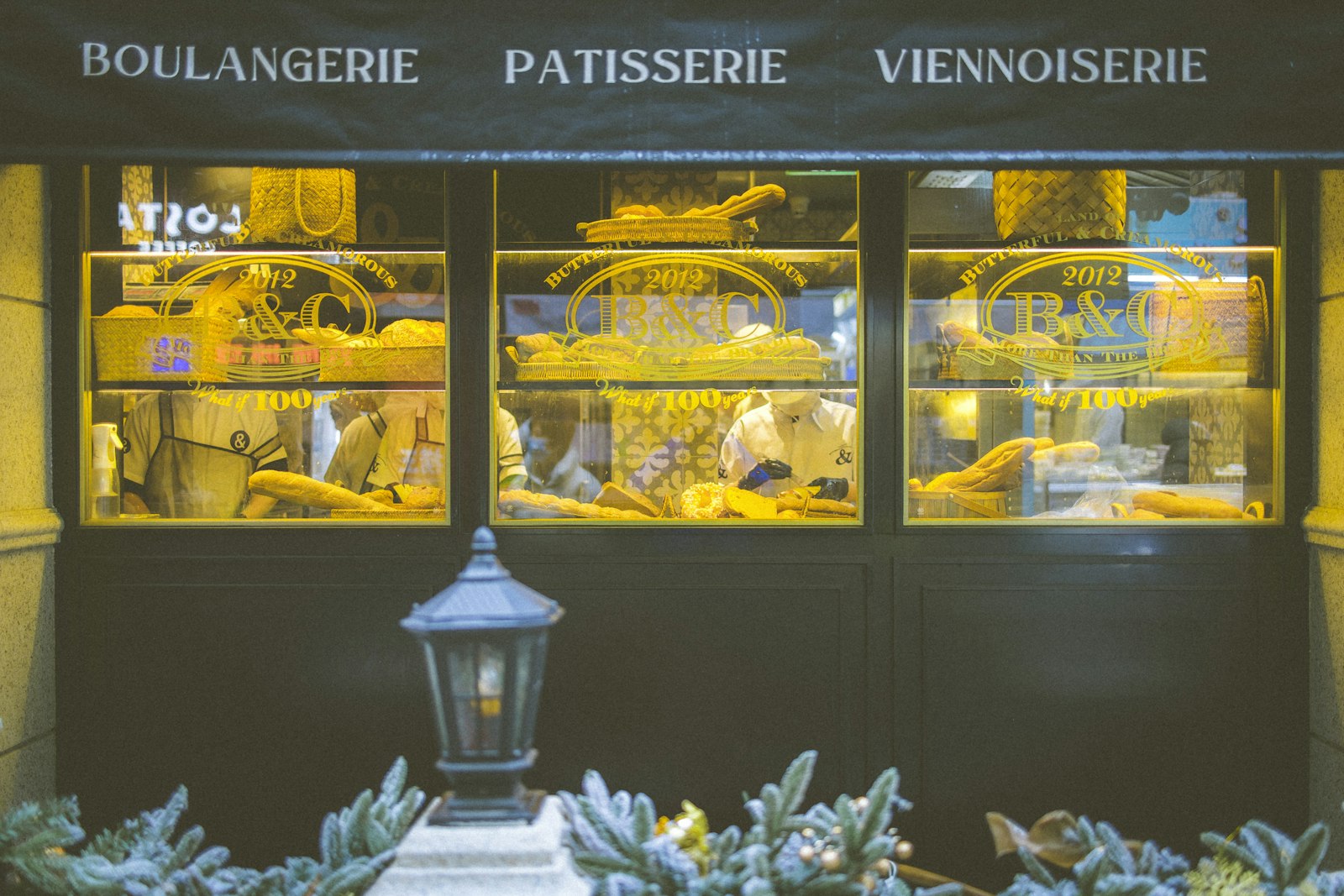
Odette Miel opens a one-window shop with a secondhand Lyon deck oven.
Her son Bernard adds the laminating bench and the Friday kouign-amann.
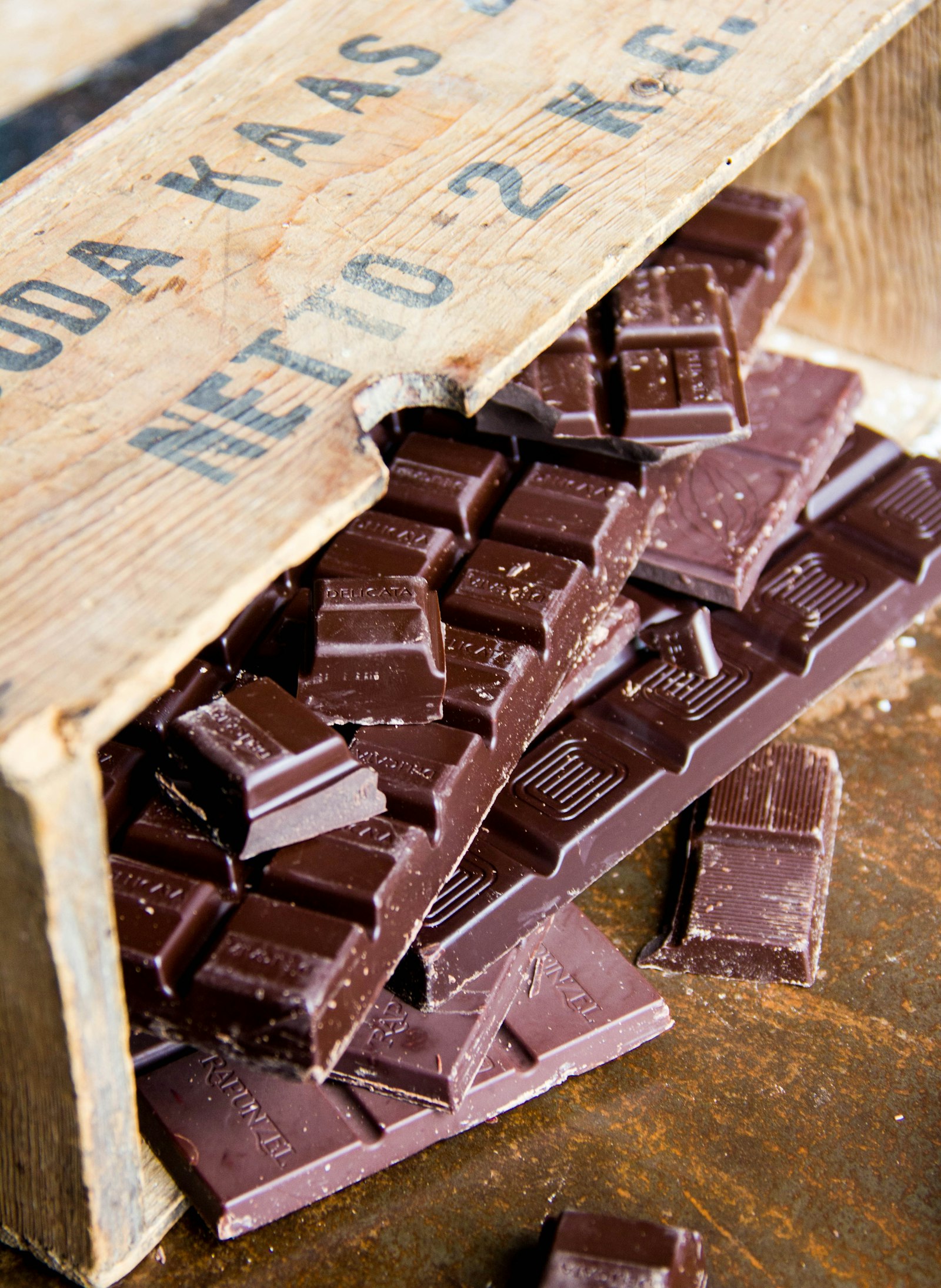
The marble chocolate table arrives. Bonbons become a permanent fixture.
Théo takes the morning shift; the ferment goes from one day to three.
Eleven bakers, sixty-two recipes, same oven.
The people
Head baker · mornings
Third generation. Runs the deck oven and refuses to write anything down.
Pastry chef · entremets
Trained in Lyon and Osaka. Glazes every entremet by hand on the family turntable.
Chocolatier
Tempers on marble at 5 a.m. Claims he can hear when it's ready.
Viennoiserie
Three-day ferments, copper trays, zero patience for shortcuts.
How we work